Posted on: May 14, 2026 | Last Updated: May 18, 2026 News articles
Texas’ announcement of $1.4 billion in federal funding to strengthen rural health care arrived at a critical moment. Rural clinics and hospitals continue to operate on thin margins, workforce shortages persist and residents across the state face widening gaps in access to care. But the Rural Texas Strong Plan aims to change that. And amid the many innovative approaches outlined in the plan, Texas recognizes and seeks to strengthen its brilliant advantage: a dedicated foundation of community health workers.
CHWs are uniquely positioned to improve access to care, support chronic disease management, improve pre- and postnatal support and healthy birth outcomes, strengthen prevention and telehealth adoption, and even stabilize the healthcare workforce — all priorities outlined in the state’s plan.
As we look at rural and border communities, residents face higher rates of chronic disease, maternal health challenges and unmet behavioral health needs. Paired with transportation barriers, limited broadband access, provider deserts, mistrust and workforce shortages, these challenges are complex and intertwined.
CHWs address all of this (and more!) — when they’re used correctly.
CHWs — also known as Promotores de Salud — are not nurses, social workers or clinicians. They are trusted community members trained to help individuals and families overcome hurdles so they can receive appropriate care. They know the community and its people because they’re from the community. They understand traditions, relationships and challenges — and, most importantly, they have the relationships to help their neighbors access quality care. The benefits of CHWs extend beyond rural communities: Every Texan gains when preventive care reduces avoidable emergencies and hospital overcrowding.
But when there aren’t enough CHWs, people don’t know where to turn; they often delay care until conditions worsen. That’s when costs rise, hospitals strain and outcomes suffer — for everyone.
On the other hand, studies demonstrate that CHW interventions can lead to improvements across the “triple aim” of health care: improved population health, improved patient experience and reduced costs. The answer is clear!
CHWs’ lived experience, local connections and hearts for service cannot be overstated. Investing in training, leadership development and clear career pathways increases the likelihood these assets stay in the community, strengthen partnerships and improve continuity of care and health outcomes.
The Rural Texas Strong plan presents a meaningful opportunity to build on Texas’ momentum. By investing in CHW recruitment, training and retention, the state can build a stronger CHW workforce, optimize systems and transform care.
Realizing the plan’s full potential will require collaboration across sectors.
MHP Salud invites local health systems, community-based organizations and regional partners to collaborate to expand our certified CHW workforce. With growing partnerships and proven CHW strategies throughout Texas, MHP Salud knows effective health solutions come from within the community, where trust already exists. Let’s drive home the results Texas needs — let’s prioritize the CHW workforce.
If I gave you a $3 return for every dollar you invested, would you take it?
Of course; who wouldn’t? That’s the minimum return on investment for every dollar invested in the community health worker workforce, an integral part of Florida’s health care system that is woefully underused, especially in our rural communities, where it’s needed most.
Florida has an unprecedented chance to change that now, and the decision will impact all of us. Through the Rural Health Transformation Program, the state will invest roughly $210 million annually for the next five years. The question is not whether we spend the money, but how wisely we invest it.
Today, our rural neighbors struggle to access health care, and the challenge is far deeper than provider shortages.
It’s the barriers that prevent people from seeking care in the first place — lack of transportation, inability to take time off work, language barriers, confusion navigating health and social services systems or simply not understanding when to seek help.
When those barriers go unaddressed, manageable conditions become emergencies. A missed appointment turns into an emergency department visit. A controllable chronic illness becomes an ambulance transport and hospitalization. And every one of those outcomes comes with a significantly higher price tag.
This is where community health workers offer a proven, cost-effective solution. They are trusted members of the communities they serve. They share traditions, language and neighborhoods with those they help. And their built-in trust and local experience positions them to effectively help people navigate red tape within the system, understand their diagnoses and care, and address real-life changes that determine whether care happens at all.
The financial impact is measurable.
Patients paired with a community health worker are 21% more likely to attend primary care visits and 18% more likely to use outpatient services — both far less expensive than emergency care or hospital stays. Clinical research also shows community health workers can cut hospital readmissions nearly in half, reducing rates from 24.5% to 12.6%. Each avoided readmission can save more than $15,000.
The return on investment is clear: For every $1 invested in community health worker programs, Medicaid can save up to $3. That’s because they prevent the most expensive outcomes directly impacting Tampa Bay.
When people in rural communities can’t access healthcare, patients don’t disappear. They arrive in Tampa Bay Area emergency rooms — sicker, later and far more expensive to treat. That reality drives longer wait times, strains already limited providers and increases costs that ripple across the entire health system.
Those costs don’t stay contained. They are passed through insurance premiums, higher hospital charges and taxpayer-funded care. Whether you live downtown, toward the beaches or in the countryside miles from the nearest hospital, the access gaps are coming for your pocket.
The most expensive care is the care that comes too late.
Investing in the community health workers is not a temporary fix. It’s infrastructure. They are integrated into health systems, improving efficiency while supporting long-term sustainability through better outcomes and lower costs.
Florida has a choice. We can continue paying for healthcare at its most expensive point — emergency rooms and hospital beds. Or we can invest upstream in community health workers, a workforce proven to improve health outcomes and lower financial burdens on all of us.
MHP Salud — a national leader with more than 40 years of experience developing, integrating and advancing these programs— is prepared to equip healthcare systems, nonprofits and other agencies with nationally recognized training, tools and leadership to build and support the state’s community health workforce.
But we can’t do it alone.
Strengthening Florida’s community health workforce will take shared commitment from those who believe in research-backed solutions rooted in prevention. It will take investment, partnership and support.
This is an invitation to stand with us. To partner, to invest and to help the most vulnerable in our community receive quality health support, access and care through a proven solution: community health care workers.
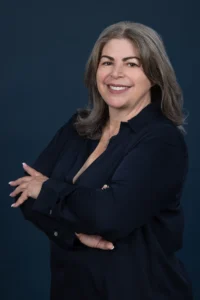
Dr. Maggie Dante is CEO of MHP Salud, a Florida-based nonprofit with more than 40 years of experience improving public health outcomes through community health work, including local health programs, care navigation and nationally recognized training and apprenticeship programs. Annually, more than 50% of Florida community health workers obtaining certification are trained by MHP Salud. She resides in Central Florida.
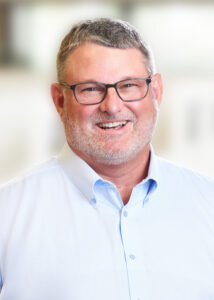
Mike Harp is a partner at Kapnick Insurance and serves on the MHP Salud board as finance chair. He resides in Southwest Florida.
Visit mhpsalud.org to learn more and connect today.
Posted on: February 5, 2026 | Last Updated: May 18, 2026 Information Posts
Michigan’s announcement of $173 million in federal funding to strengthen rural health care is more than a budget headline – it’s a powerful affirmation of what the state has long understood: strong health systems are built by investing in people, partnerships and trust.
At MHP Salud, we applaud our state for focusing on proven solutions that bring results. Michigan has been a national leader in mobilizing Community Health Workers (CHWs) to improve access to health care and support rural communities. In fact, this led to MHP Salud’s founding more than 40 years ago in Southeast Michigan – to use CHW-led initiatives that address barriers so individuals in rural communities could receive health care. In 1983, we saw the impact of CHWs, and we’ve continued to drive this movement nationally through training, consultation and certification.
Our state’s plan to use rural transformation funding to invest in workforce development, technology and regional partnerships reflects what CHWs have demonstrated for decades: care is more effective when it’s coordinated, responsive and rooted in community.
Michigan’s focus on workforce development, specifically recruiting CHWs and formalizing state certification policies, is particularly important. In our rural communities, access is tough. Provider deserts, limited transportation, social barriers and trust, impact families’ ability to receive timely health care. It impacts their ability to navigate complex systems and medications, to adhere to treatment plans, and to manage chronic conditions.
CHWs address all of this (and more!) — when they’re used correctly.
CHWs are not nurses, social workers or clinicians. They are trusted community members trained to help individuals and families overcome hurdles so they can receive appropriate care. The benefits extend beyond rural communities: every Michigander gains when preventive care reduces avoidable emergencies and hospital overcrowding.
When CHWs are unavailable, people often delay care until conditions worsen. That’s when costs rise, hospitals strain and outcomes suffer – for everyone.
But it doesn’t have to get that far. With the rural transformation funding and Michigan’s strategic workforce investment, we can build healthy communities now.
Studies demonstrate that CHW interventions can lead to improvements across the “triple aim” of health care: improved population health, improved patient experience, and reduced costs.
Community Health Workers’ lived experience, local connections and hearts for service cannot be overstated. Investing in training, leadership development and clear career pathways increases the likelihood these assets stay in the community, strengthen partnerships, and improve continuity of care and health outcomes.
The Rural Health Transformation grant presents a meaningful opportunity to build on Michigan’s leadership. CHWs are uniquely positioned to support care coordination, telehealth adoption, behavioral health integration and chronic disease management – all priorities outlined in the state’s rural health plan.
Realizing the plan’s full potential will require collaboration across sectors.
With deep Michigan roots, MHP Salud invites local health systems, community-based organizations and regional partners to collaborate to expand our certified CHW workforce. Effective health solutions must come from within the community, and we are ready to help Michigan’s CHW workforce reach their full potential.
Posted on: January 24, 2026 | Last Updated: May 18, 2026 Information Posts
Trust, especially when it comes to health, is an act of deep vulnerability. Particularly when you don’t feel like anyone else truly understands what you’re going through, where you’ve been or the hard knocks you’ve faced along the way.
I remember watching my mother struggle with her health, a painful path that might have looked very different if she had had a trusted peer to guide her — someone she could relate to and rely on. If only she had a Community Health Worker.
In the decades since my mother’s passing, I’ve devoted my career to helping others like my mom, individuals and families overwhelmed by the complexities of health care, yet hesitant to trust.
Community health workers (CHWs) bridge this gap, serving as the ultimate mentors for health and well-being, helping individuals and families navigate health and social service systems that are often confusing, overwhelming or feel out of reach.
CHWs are trusted members of the communities they serve. They often share the same language, culture, ZIP code and lived experiences as the people they support — making them uniquely qualified to walk alongside someone as a mentor for their health.
Like any great mentor, a CHW listens first — without judgement — and helps community members set realistic goals for themselves and their families, whether that means helping a senior understand better medication management, guiding a working parent through health insurance enrollment or connecting a family to food, housing or transportation resources that directly affect their health and quality of life.
With a strong foundation of trust, CHWs help people understand medical instructions, keep appointments and address social stressors. As a result, they reduce unnecessary emergency room visits and hospital readmissions.
As we recognize January as National Mentor Month, it is the perfect time to advocate for Community Health Workers and the impactful role they play in guiding health and well-being.
These professionals are proven so effective that the U.S. Bureau of Labor projects CHW employment will grow by 13% over the next decade, far outpacing average job growth.
And beyond data and dollars is something immeasurably important: empowerment. Mentorship doesn’t just aim to solve today’s challenges but equips mentees for the future. CHWs help community members gain confidence to advocate for themselves, ask questions and make informed decisions about their health. With the much-needed support, individuals move from crisis-driven care to prevention and stability — a shift Florida desperately needs to thrive.
MHP Salud is committed to building, growing and supporting the CHW workforce throughout Florida. But we can’t do it alone.
Strengthening Florida’s Community Health Worker workforce means recognizing that for many families, a trusted mentor can make all the difference in how they experience health and care. It will take investment, partnership and support. This is a call to those who believe in the power of mentorship and thirst for a stronger, healthier Florida. Please join us.
Posted on: January 16, 2026 | Last Updated: May 18, 2026 News articles
Across the Big Bend, we know what it means to look out for one another – checking on an elderly neighbor during hurricane season, bringing a meal to a friend after surgery or simply showing up when someone needs help. Some call it southern hospitality. I call it the spirit of community. That same spirit is the heart of one of Florida’s more effective – yet underutilized – health care solutions: Community Health Workers (CHWs).
Florida’s health care system is under real strain. Doctors and nurses are stretched thin. Costs are rising, our population is aging and, ultimately, these pressures will ripple through all of our lives.
When we look at our more rural communities, we risk strain at crisis proportions if we don’t address it now through proven solutions like CHWs.
Fortunately, there is hope. With Rural Transformation grant funding, Florida can significantly improve health care access and outcomes in our rural communities – benefitting everyone. To make this impact last, we must invest strategically in sustainable, people-centered solutions. That’s why strengthening the CHW workforce is essential, and we urge state leaders to support and fund these efforts.
CHWs are trusted members of the communities they serve. They understand local challenges because they live them. CHWs help neighbors navigate everyday barriers directly impacting health: nutrition and food insecurity, housing instability, transportation, health care access, language barriers, difficulty understanding medical instructions. When those needs go unmet, our communities pay the price. A missed follow-up appointment, a delayed screening or an unfilled prescription can quickly turn into an emergency room visit or hospital readmission, easily totaling $15,000+.
CHWs step in before a crisis, helping our neighbors stay on track, stay healthy and stay out of the hospital.
The impact is powerful. Patients feel supported instead of overwhelmed, health outcomes improve, health systems save money, and communities become stronger.
As a bonus, the CHW model provides employment opportunities where few exist – benefitting every taxpayer.
These professionals are so effective that the U.S. Bureau of Labor projects CHW employment will grow by 13 percent of the next decade, far outpacing average job growth.
This is a critical moment for Florida to invest in the CHW workforce. And with the Rural Transformation grant, it’s completely possible.
MHP Salud — a national leader with more than 40 years of experience developing, integrating and advancing CHW Programs — is prepared to equip healthcare systems, nonprofits and other agencies with nationally recognized training, tools and leadership to build and support the state’s CHW workforce.
But we can’t do it alone.
Strengthening Florida’s CHW workforce will take shared commitment from those who believe in research-backed solutions rooted in prevention. It will take investment, partnership and support.
This is an invitation to stand with us. To partner, to invest and to help the most vulnerable in our community receive quality health support, access and care through a proven solution: Community Health Workers. Together, we will build healthy communities throughout Florida. Visit https://mhpsalud.org/ to learn more and connect today.
October is spooky season – a time when bats, ghosts and skeletons seem to be around every corner. But for the thousands of El Pasoans living without health insurance, the fear they face is no novelty; it’s a chilling reality that lingers long after Oct. 31.
Imagine the gripping fear when a sharp pain suddenly grabs your chest. Without insurance, the cost of an emergency department visit can feel more frightening than the underlying problem. Too many people hesitate and hope the pain will fade like a phantom. Their reason? They fear the monstrous bill that will follow them.
A haunting thought enters your mind … what if I hadn’t skipped my annual check-up? Would the doctor have caught the cause of this shrill aching? But, the bill collectors from your last visit are still chasing you like a bad slasher movie. There’s no way you could afford the high price of another emergency visit.
Thankfully, you aren’t stuck in a bad horror movie – and there’s an ending that puts you back in control of your health.
Brave heroes walk among us – MHP Salud community health workers – stand ready to slay the dangers that plague the uninsured.
These local promotores de salud are lanterns in the dark, guiding our community members to affordable health coverage, routine care, early treatment, and peace of mind. They provide bilingual support to slay language barriers and meet people almost anywhere around town to make sure everyone can receive help to understand their options.
They’ll even walk you step by step through the application (it doesn’t have to be scary).
Plus, their support doesn’t stop after the application is submitted. They’re there for you before, during, and after the process – not just for health insurance but for support and connections to other resources – like food, housing and utilities – so you and your family have a solid foundation for a healthier future and a stronger community.
And even more incredible — It’s completely free! No tricks, no masks, no hidden costs or commissions.
Let’s not ignore the real monsters stalking our communities: undiagnosed chronic illness, crushing debt and preventable loss. Understanding your health insurance options doesn’t just fight these ghouls — it ensures that families and El Paso (as a whole) feel the difference between living in fear and living with confidence that help — real help — is there when you need it most.
Don’t delay, please reach out to make this your happiest and healthiest Halloween yet.
RIO GRANDE CITY, Texas — Jake Margo Jr. stood in the triage room at Starr County Memorial Hospital explaining why a person with persistent fever who could be treated with over-the-counter medication didn’t need to be admitted to the emergency room.
“We’re going to take care of the sickest patients first,” Margo, a family medicine physician, said.
It’s not like there was space on that June afternoon anyway. A small monitor on the wall pulsed with the vitals of current patients, who filled the ER. An ambulance idled outside in the South Texas heat with a patient waiting for a bed to open up.
“Everybody shows up here,” Margo said. “When you’re overwhelmed and you’re overrun, there’s only so much you can do.”
Starr County, a largely rural, Hispanic community on the southern U.S. border, made headlines in 2024 when it voted Republican in a presidential election for the first time in more than a century. Immigration and the economy drove the flip in this community, where roughly a third of the population falls below the poverty line.
Now, recent actions by the Trump administration and the GOP-controlled Congress have triggered a new concern: the inability of doctors, hospitals, and other health providers to continue to care for uninsured patients. It’s a fear not only in Starr County, which has one of the highest uninsured rates in the nation. Communities across the U.S. with similarly high proportions of uninsured people could struggle as additional residents lose health coverage.
About 14 million fewer Americans are expected to have health insurance in a decade due to President Donald Trump’s new tax-and-spending law, which Republicans dubbed the One Big Beautiful Bill Act, and the pending expiration of enhanced subsidies that slashed the price of Affordable Care Act plans for millions of people. The new law also limits programs that send billions of dollars to help those who care for uninsured people stay afloat.
“You can’t disinsure this many people and not have, in many communities, just a collapse of the health care system,” said Sara Rosenbaum, founding chair of the Department of Health Policy and Management at George Washington University’s Milken Institute School of Public Health.
“The future is South Texas,” she said.
KFF Health News is examining the impact of national health care policy changes on uninsured people and their communities. Though the Trump administration told KFF Health News it is making “a historic investment in rural health care,” people who treat low-income patients, as well as researchers and consumer advocates, say recent policy decisions will make it harder for people to stay healthy. Doctors, hospitals, and clinics that make up the health care safety net could lose so much money they must close their doors, some of them warn.
“Because the patient’s bill is not going to get paid,” said Joseph Alpert, editor-in-chief of The American Journal of Medicine and a professor of medicine at the University of Arizona. “Uninsured patients stress the health care system.”
Starr County shows how this dynamic unfolds.
Primary care doctors in the county serve an average of just under 3,900 people each, nearly three times the U.S. average.
Margo, the family physician, said because so many people lack insurance and there are so few places to seek care, many residents treat the ER as their first stop when they’re sick.
In many cases, they have neglected their health, making them sicker and more expensive to treat. And federal law requires ERs at hospitals in the Medicare program to stabilize or transfer patients, regardless of their ability to pay.
That leaves Margo and his team to practice what he described as “disaster medicine.”
“They come in with chest pain or they stop breathing. They collapse. They’ve never seen a doctor,” Margo said. “They’re literally dying.”
Health Systems in ‘Survival Mode’
When people are uninsured or on Medicaid, they tend to rely on a safety net of doctors, hospitals, clinics, and community health centers, which offer services free of charge or absorb getting reimbursed at lower rates than they do treating patients on commercial insurance.
Those providers’ financial situations can often be precarious, leading them to rely on myriad federal supports. The Trump administration’s cuts to health care and Medicaid in the name of eliminating “waste, fraud, and abuse” have many concerned they won’t weather the additional financial strain.
Trump’s new law funds his priorities, like extending tax cuts that mainly benefit wealthier Americans and expanding immigration enforcement. Those costs are covered in part by a nearly $1 trillion reduction in federal health spending for Medicaid within the next decade and changes to the ACA, such as requiring additional paperwork and shortening the time for people to sign up.
Many Republicans have argued Medicaid has gotten too large and strayed from the state-federal program’s core mission of covering those with low incomes and disabilities. And the GOP has fought to roll back the ACA since its passage.
Kush Desai, a spokesperson for the White House, said projections from the nonpartisan Congressional Budget Office about how many people could lose health insurance are an “overestimate.” He did not provide an estimate the administration sees as more accurate.
Supporters of the “One Big Beautiful Bill” say those who need health coverage can still get it if they meet new requirements such as working in exchange for Medicaid coverage.
And Michael Cannon, director of health policy studies at the Cato Institute, a libertarian think tank, said even with the legislation, Medicaid spending will grow, just not as quickly.
The budget law won’t cause “the sky to fall,” Cannon said. “The inefficient providers should be shutting down.”
A recent survey from AMGA, formerly the American Medical Group Association, which represents health systems across the country, found nearly half of rural facilities could close or restructure due to Medicaid cuts. Nearly three-quarters of respondents said they anticipated layoffs or furloughs, including of front-line clinicians.
Public health departments, which often fill gaps in care, also face federal funding cuts that have reduced their capacity. In South Texas’ Cameron County, the health department has eliminated nearly a dozen positions, said agency head Esmer Guajardo. In neighboring Hidalgo County, the health department has laid off more than 30 people, said Ivan Melendez, who helps oversee its operations.
In July, the Texas Department of State Health Services canceled Operation Border Health, a massive annual event that last year provided free health services to nearly 6,000 South Texas residents.
Gateway Community Health Center in Laredo, a border city north of the Rio Grande Valley, is in “survival mode,” with about a third of patients already lacking insurance and even more who will struggle to afford health care if the ACA subsides aren’t renewed, said David Vasquez, its director of communications and public affairs. The center is looking for other forms of funding to avoid layoffs or cuts to services, and its expansion and hiring plans are on hold, Vasquez said.
That downsizing is happening as more people lose health insurance and need free or reduced-cost care.
Esther Rodriguez, 39, of McAllen has been out of work for two years and her husband makes $600 a week working in construction. Neither of them has health insurance.
Medicaid covered the bills for the births of her five children. Now, she depends on a mobile health clinic run by a local medical school, where she can pay out-of-pocket for routine checkups and drugs to control her Type 2 diabetes. If she needed more care, Rodriguez said, she would go to the ER.
“You have to adapt,” she said in Spanish.
‘Death by a Thousand Cuts’
People’s inability to pay results in uncompensated care, or services that hospitals, doctors, and clinics don’t get paid for, which, under an earlier version of the megabill, was projected to increase by $204 billion over the next decade, according to the Urban Institute, a nonprofit think tank.
But the Trump administration is also cutting other support that helped offset the cost of care for people who can’t pay. The new law caps federal programs that many health providers for low-income people have come to depend on, especially in rural areas, to shore up their budgets. These include taxes on hospitals, health plans, and other providers that states use to help fund their Medicaid programs. Such provider taxes are a “financial gimmick,” Desai said.
While the law creates a temporary $50 billion fund to support rural doctors and hospitals, that’s a little over a third of estimated Medicaid funding losses in rural areas, according to KFF, a health information nonprofit that includes KFF Health News. Desai called the analysis “flawed.”
Any loss in revenue could spell financial ruin, especially for small rural hospitals, said Quang Ngo, president of the Texas Organization of Rural & Community Hospitals Foundation.
“It’s kind of like death by a thousand cuts,” he said. “Some will probably not make it.”
And the hits could keep coming. The Trump administration’s budget request for the coming fiscal year calls for cuts to multiple rural health programs operated through the Health Resources and Services Administration. Desai said the spending law’s investment in rural health “dwarfs” the cuts.
In February, the Trump administration announced funding cuts of 90% to the ACA navigator program, which helps people find health insurance. That program has been “historically inefficient,” Desai said.
In December 2023, nearly 3 million of Texas’ uninsured were eligible for ACA subsidies, Medicaid, or the Children’s Health Insurance Program, according to Texas 2036, a public policy think tank.
Maria Salgado spends her workdays tabling at community events, dropping off flyers at doctors’ offices, and holding one-on-one meetings with clients of MHP Salud, a nonprofit that connects residents to Medicaid and ACA coverage.
She worried funding cuts would really set the organization’s efforts back: “A lot of community members here, they’re going to be left behind,” said Salgado, a community health worker, or promotora.
Chris Casso, a primary care physician who grew up in McAllen and now practices there, held back tears as she described treating patients who have put off seeing a doctor because of an inability to pay, only to have their preventable conditions deteriorate.
She worries about the future of her community as physician shortages worsen, potentially leaving few providers to treat uninsured people.
“It’s heartbreaking,” she said, sitting in a small back room in her office in a suburban strip mall, wedged between a Kohl’s and a Shoe Carnival. “These are hardworking people,” she said. “They try their best to take care of themselves.”
Casso said her own sister, who worked as a medical biller in a physician’s office, couldn’t afford health insurance. She delayed care and died at age 45 of complications from diabetes and heart disease. Casso worries the future will find more people in similar situations.
“Our population is going to suffer,” she said. “It’s going to be devastating.”
KFF Health News is a national newsroom that produces in-depth journalism about health issues and is one of the core operating programs at KFF—an independent source of health policy research, polling, and journalism. Learn more about KFF.
Subscribe to KFF Health News’ free Morning Briefing.
The words send shivers down my spine: “I fell. Please hurry.”
When you have elderly loved ones, you probably know the feelings all too well. The mixture of panic, fear, and the hundreds of scenarios that run through your mind as you race to get help.
The fear isn’t unfounded. The National Council on Aging reports falls are the leading cause of fatal and non-fatal injuries among older adults. Beyond the immediate physical and emotional tolls, falls are expensive. The cost to treat injuries caused by falls among older adults is projected to increase to more than $10 billion by 2030.
If that doesn’t ring the alarm, it should. Nearly 22% of the Rio Grande Valley’s population is older than 55. Our community is tight-knit, compassionate and caring – and the risks facing our older adults should compel all of us to become part of the solution.
It doesn’t take much to make a difference. It can be as simple as sharing helpful, practical tips with a neighbor or family member to help them reduce their risks of falling. As September is recognized as Healthy Aging Month, there’s no better time than now to take steady steps to age gracefully:
Regular health assessments: Regular health check-ups are crucial for identifying risk factors associated with falls. Healthcare providers can assess balance, muscle strength, and gait, and recommend interventions tailored to individual needs. For example, vision and hearing impairments can increase fall risk, but they can easily be addressed.
Home modifications: Simple changes and rearranges to your home can reduce the risk of falls. Think about improved lighting, clear pathways and non-slip mats in the bathtub, shower and kitchen.
Preventive exercise: Exercise helps maintain heart health, strengthens muscles and improves balance to reduce the risk of falls. Walking, swimming and cycling can be tailored to fit any fitness level. The key: find activities you enjoy and make them part of a regular routine.
Medication management: Older adults are the largest consumers of prescription medications worldwide. A stable medication management plan includes routine consultation with your doctor and pharmacist to prevent side effects and mixing that can impact balance.
If you’re caring for an elderly loved one – or if you’re a senior trying to navigate it all– it can feel overwhelming. But it doesn’t have to be. For nearly two decades, MHP Salud has helped our community’s older adults access resources, support and community services that contribute to healthy aging, safe homes and habits, and social connections that lead to strength and peace of mind for all involved.
Through our Silver Connections program, local Promotores de Salud work 1-on-1 with older adults to identify and address their greatest needs for healthy aging and living. If you or someone you know can benefit from senior services, including utility and food assistance and health insurance navigation, please visit mhpsalud.org to connect with our team.
Or, if you have a passion to help and want to engage in a meaningful way to support the health and safety of older adults in the community, let us know – there’s a place for everyone to make a difference.
To welcome a new baby is to make a sacred promise – to keep them safe, happy and healthy.
As parents, we have a deep-rooted, built-in sense of protection when it comes to our children. We want to provide for their every need, to keep them in a bubble, to shield them from harm. It’s an overwhelming (and impossible) responsibility … but it’s instinct.
Yet we know that our children will take a tumble, catch a fever, cause our hearts to leap with panic. But it doesn’t make it easier, and the fear is even greater without a support system, without a positive role model … or without simple safety know-hows many of us take for granted. Of course, we can’t protect our children from every boo-boo and boo-hoo, but we can take simple steps to help keep our little ones safe at home. As we recognize Baby Safety Month each September, it’s the ideal time to check our own homes, remind loved ones and raise awareness of small steps that make a big difference.
Four quick and easy fixes can make the difference between peace of mind and a preventable tragedy:
1 – Cover electric outlets.
2 – Lock cabinets and toilets (yes, toilets – they are a drowning hazard in your home!).
3 – Bolt furniture, such as dressers, bookshelves and TV stands, to the wall.
4 – Keep remote controls and other battery-operated small items out of reach.
These changes may feel tedious in the moment, but they are acts of love — quiet, powerful ways we protect our children as they explore their new worlds.
The greatest protective measure for baby safety: you. Children are little sponges, and yours is the first face your child recognizes. So of course, they have the perfect instincts to pick up on your emotions … they can tell if you are happy and content or frustrated, sad or scared.
That’s why here in Laredo, MHP Salud’s Parents as Teachers program emphasizes emotional safety and connection as a key to baby’s sense of safety and healthy development in addition to traditional baby safety tips. (We cover it all!)
With Parents as Teachers, Community Health Worker Parent Educators – who live right in this community, who know this community, who love this community – form strong, trusting relationships with families raising young children. They serve as the long-awaited support system and help parents with children 0-3 with everything from accessing health
services to caring for their own mental health, which is often extremely fragile after bringing a new baby home.
Another unique strength of the program is its emphasis on natural supports through community connections, events where parents can come together to openly discuss safety, ask questions, and support one another.
In honor of Baby Safety month, I ask the community to come together and support our neighbors raising the next generation of Laredo. Would you consider a donation that can provide important home safety items or partner with us to host a community connections event? You can visit www.mhpsalud.org to contact us and learn how to get involved. I can’t think of a greater investment than creating a safer household and a stronger future for our children and community.
Community health workers (CHWs) provide a wide range of services and advocacy that help increase access to healthcare and promote health and well-being. We spoke to MHP Salud’s Venita Perales, CHW, and Amy Moncion, LCSW and community liaison director, about how partnering with CHWs can help clinicians improve patient outcomes.
–EDITORS
EDITORS: Why did you become a community health worker?
VENITA PERALES: I’ve had the title “community health worker” (CHW) for about six years, but I was doing this work long before I knew the term. After college, I was a home aide and helped clients with their daily needs, whether it was getting their medications, arranging transportation to doctors’ appointments, or helping them enroll in Medicaid. Later, as a registered medical assistant in a cancer clinic, I helped patients who couldn’t do much independently and often had no one to bring them a bag of groceries or a hot meal. Then I worked with Texas home- and community-based service programs helping elderly clients, children, people with disabilities, and families who needed support caring for their loved ones with special needs. Whether it’s sitting down with them to make an appointment or find assistance or resources, I’ve always wanted to help and make sure my community is taken care of. Now I bring it all together by helping my community access health insurance, find healthcare and services, and connect to resources and support for basic needs.
AMY MONCION: I’ve been a practicing clinical social worker for nearly 17 years, but I started working as a health educator with the University of Central Florida 20 years ago—and back then, “community health worker” wasn’t a well-known term. I didn’t know I’d been a CHW all along until being introduced to the work of MHP Salud. Now I support CHWs and help expand the profession across Florida through MHP Salud’s CHW training program, and it’s one of the most fulfilling roles of my career.
As an individual who identifies as Hispanic/Latina, I really appreciate MHP Salud’s legacy of supporting Latino communities. But more than that, we are doing true preventive work and impacting community health from the inside out, which is far more impactful than playing a reactive role in addressing the concerns of underrepresented and underserved communities.
I feel pride in this work because I really do believe CHWs at their core change the communities they live in. I spent a long time in the child welfare space, an environment where you don’t always get to see big outcomes. But I’ve really gotten to see the massive impact of the CHW model.
EDITORS: Why are community health workers so essential?
VENITA: Many times, clinicians don’t have time to sit down and give patients all their options—where they can go for services or who can help them complete applications they’ve never seen before—or even to sit down with them and ask, “How are you today? What do you need and how can I help you?,” and really listen to the answer. That’s what a CHW does. We follow up to make sure patients understand those long lists of medications they were prescribed and why they need to take them. We also help clients who have been incapacitated after a serious illness. Life changes so quickly, and many times people don’t know who to turn to for help or to get questions about their new reality answered.
CHWs coordinate with clinicians to get answers to questions like “Do any of my medicines interact with those that another doctor prescribed? Does my pharmacy carry them? Does my insurance cover them as written, or do I need to get generics?” If patients are prescribed something they can’t afford or that their insurance doesn’t cover, many will just go without—and it may be weeks or months before the clinician discovers it at their next appointment.
Another issue is that some patients are discharged from the hospital with equipment they don’t fully understand how to use, or they need follow-up care and resources that they don’t know how to get. Without help, they often end up right back in the emergency room. CHWs bridge these gaps to get patients what they need.
What really sets CHWs apart as well is that we share and deeply understand the culture and language of those we serve. Imagine trying to understand a new diagnosis when you don’t speak the same language as your doctor. We are instrumental in providing culturally competent care and support to our communities.
AMY: Charge nurses and discharge planners would love to sit and go line by line through the care plan with each patient, but they don’t have much time. The CHW can directly intervene in patient care to find solutions as new issues arise. That frees up nurses to continue doing their day-to-day activities.
VENITA: I recently helped a gentleman who was unhoused and had no place to go after being discharged following a foot amputation. I told him, “We’ll figure it out.” We filled out his Medicaid and Supplemental Nutrition Assistance Program application together, and then I helped him find a program that would give him a place to stay.
CHWs are passionate about their communities, and they’ve experienced some of the same issues they’re helping with. I had a family who needed to get a loved one into hospice but didn’t know how to do it or what to expect. I shared that I went through a similar situation with my dad. Sharing those experiences creates connection and trust. We know what it’s like to navigate the healthcare system to get services—or to choose between healthcare and keeping the lights on or the rent paid. We come alongside clients, connect them to nearby resources, and empower them to advocate for themselves. People don’t want someone to come in and talk down to them, telling them what they need to do. They want someone to see them as a person who may be hurting and who needs help and to take the time to help them figure out the next steps.
EDITORS: How do CHWs facilitate change in their communities?
AMY: Community-based organizations and large healthcare facilities across Florida are starting to see what can happen when you let the community lead. Our CHW trainees go into their communities to obtain feedback and assess needs, and they use this information to inform change. We also partner with other CHW organizations to share resources and best practices. In truly listening to their communities, CHWs have developed resources to address summertime food insecurity for youth and embedded healthy nutrition and eating practices education for children, including family outreach, to reinforce healthy practices and lifestyle changes at home. Some CHWs also identified a need for additional support for unhoused individuals and families and worked with a local organization that has since expanded support services to four sites across Central Florida. These sites provide lockers, mobile showers, and hygiene areas so unhoused individuals have dignity and a safe place for their belongings.
CHW trainees in one very rural area identified that several of their diabetic patients weren’t taking their insulin because they didn’t have access to cooling lockers, so trainees rallied organizations to donate lockers to the community. In another area, CHWs working with clients who had mobility issues learned their clients didn’t have the right shoes to complete their occupational or physical therapy without pain. The trainees had therapeutic shoes donated to meet that need.
That’s what CHWs do: they figure out how to eliminate barriers to care. No challenge is too big or too small. CHWs are always looking for opportunities to improve their clients’ health outcomes.
EDITORS: What are some of the challenges of this work?
VENITA: There are not enough CHWs being hired. There are plenty of people who want to become CHWs, and still more who are already unofficially doing this work or who are certified but are not working as CHWs because funding is not available to employ them. The irony is that the return on investment for CHWs, both in client health outcomes and in the organizational bottom line, is indisputable—and far outweighs the investment in the CHW workforce.
There is such a passion among CHWs that many even serve as volunteers, so they work when they can. But the need is overwhelming. My phone doesn’t stop ringing—I have to remind myself to stop answering in the evenings or on weekends because I’m off the clock and I have a family to take care of, too. If there were more CHWs, I could trust that even though my workday is over, others will step in to take care of our community. I can’t stand the thought that if I don’t pick up, someone who needs help might not get it.
AMY: There’s a great need for funding so more facilities can bring on CHWs, and we also need funding for more programs like ours that can strengthen the CHW workforce. Our training program is primarily funded through a Health Resources and Services Administration grant, and over the last two years we’ve had 175 individuals receive CHW training. About 86 percent have completed on-the-job training to go with their related classroom-based instruction, and 92 percent have been eligible for state certification. We have successfully certified 64 individuals, and our first-time passing rate is about 80 percent.
We also utilize a peer mentor coaching model to assist trainees through the program from start to finish. With this model, we’re not just preparing them; we’re also modeling how to be a CHW, how to be flexible in changing situations, and how to advocate for themselves and their clients.
VENITA: Having worked in healthcare administration, I know how necessary this work is—and it’s imperative that we continue to educate and advocate for increased funding to support this workforce. The payoff is immediate: if facilities hired more CHWs, more patients could be taken care of and fewer clinicians would be overburdened.
AMY: If we invest in the people who have the community’s trust, we have a great opportunity to not only elevate the CHW profession but also create partnerships that drive better health outcomes. At the end of the day, if we can connect CHWs to more clinicians and facilities, the sky’s the limit.